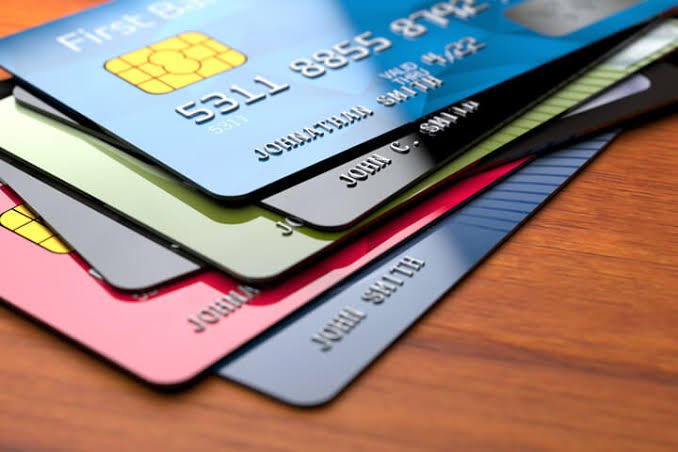
Credit cards have become an important payment tool for many consumers in India. They can provide convenience, reward points, discounts and other benefits when used responsibly. However, a credit card is also a form of borrowing, so understanding interest charges, fees and repayment rules is essential.
What Is a Credit Card?
A credit card allows an approved customer to make purchases using a predefined credit limit. The card issuer pays the merchant according to the transaction process, while the cardholder becomes responsible for repaying the amount to the issuer.
If the outstanding balance is not paid according to the card’s terms, interest and other applicable charges may apply.
Types of Credit Cards
There are many categories of credit cards. Cashback cards may focus on returning a portion of eligible spending. Travel cards may provide travel-related rewards. Fuel cards may provide benefits on eligible fuel transactions, while premium cards can offer lifestyle or travel benefits.
The best card depends on spending habits rather than simply the popularity of the card.
Annual Fees
Some cards have no annual fee, while others charge an annual or renewal fee. Premium cards may have higher fees but offer additional benefits.
Before choosing a card, compare the annual fee with the realistic value of the benefits you expect to receive.
Rewards and Cashback
Reward programs can be attractive, but users should read the terms carefully. Certain transactions may earn different rewards or may be excluded entirely.
Cashback may also have limits, minimum transaction requirements or monthly caps. Therefore, the advertised reward percentage should not be the only factor in your decision.
Credit Card Interest
Credit card interest can be significantly more expensive than many traditional forms of borrowing. Paying only the minimum amount due can allow the outstanding balance to continue accumulating interest.
For responsible usage, cardholders should generally aim to pay the full statement balance by the due date whenever financially possible.
Credit Score and Credit Cards
Responsible credit card usage can contribute to a healthy credit history. Late payments, excessive utilization or repeated financial stress can negatively affect a person’s credit profile.
Users should avoid spending more simply to earn rewards. Rewards are useful only when the underlying spending is affordable.
How to Choose a Credit Card
- Understand your monthly spending categories.
- Compare annual and other fees.
- Check reward conditions.
- Review interest and late-payment charges.
- Check eligibility requirements.
- Understand foreign transaction charges if you travel.
- Read the complete terms and conditions.
Common Credit Card Mistakes
Common mistakes include missing payment deadlines, paying only the minimum amount, withdrawing cash unnecessarily and applying for many cards without considering repayment capacity.
Another mistake is selecting a card because of an attractive welcome offer without considering the long-term fees and conditions.
Final Thoughts
A credit card can be a useful financial tool when it is treated as a payment instrument rather than free money. The key principles are simple: spend within your budget, monitor transactions and pay on time.
Before applying for any card, verify the latest fees, eligibility, rewards and terms directly with the issuing bank or financial institution.
Disclaimer: Credit card features, fees, rewards and eligibility criteria can change. This article is for general educational information and is not financial advice.