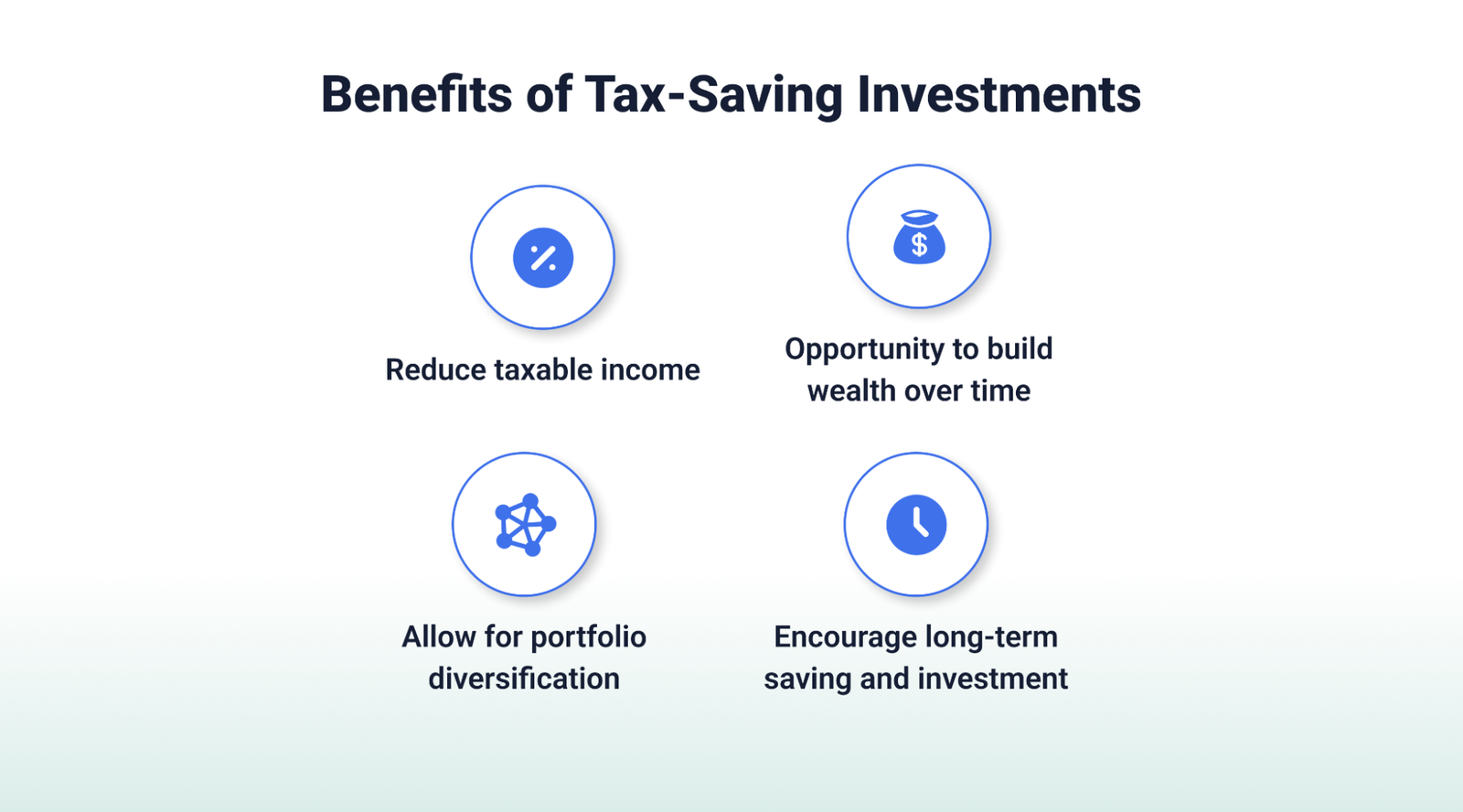
Tax planning is an important part of personal finance. Many taxpayers look for legitimate ways to reduce their tax burden while simultaneously building financial security. The right approach is not simply to search for the highest tax deduction but to select financial products that fit long-term goals, risk tolerance and applicable tax rules.
Why Tax Planning Matters
Tax planning can help individuals organize their finances efficiently. Instead of making last-minute investments near the end of the financial year, taxpayers can plan their eligible deductions and investments throughout the year.
Tax rules can differ depending on the tax regime, income level, investment type and applicable provisions. Therefore, current rules should always be checked before making a decision.
Common Tax-Saving Categories
Depending on the applicable tax provisions, taxpayers may consider eligible investments and expenses that qualify for deductions. Examples can include certain insurance premiums, eligible investments, home-loan-related provisions and other permitted deductions.
The availability and amount of a deduction depend on the current tax law and individual circumstances.
Tax-Saving Investments Should Match Goals
A common mistake is buying a financial product only because someone says it can save tax. Tax saving should be considered alongside liquidity, risk, return potential and investment horizon.
For example, a long-term investment may not be appropriate if the investor needs the money within a few months.
ELSS Mutual Funds
Equity Linked Savings Schemes, commonly called ELSS, are mutual fund schemes associated with equity investments and may qualify for applicable tax benefits under prevailing rules.
Because ELSS invests in equity markets, its value can fluctuate. Investors should understand the risk before investing.
Insurance and Tax Planning
Certain insurance premiums may qualify for tax benefits subject to applicable laws and conditions. However, insurance should primarily be purchased for protection needs rather than solely for tax savings.
Choosing an unsuitable insurance product simply to save tax can result in poor financial planning.
Home Loan and Tax Planning
Home loans can involve tax provisions related to eligible interest and principal payments depending on the applicable tax regime and conditions.
Home buyers should understand the complete financial cost of property ownership rather than purchasing a property solely because of potential tax benefits.
Keep Documentation
Taxpayers should maintain investment proofs, receipts, policy documents, loan statements and other relevant records. Good documentation can make tax filing easier and help resolve questions later.
Do Not Ignore the Tax Regime
India’s tax system provides different provisions under different tax regimes. A deduction available under one regime may not work in the same way under another.
Therefore, taxpayers should calculate their situation under the applicable rules before choosing tax-saving investments.
Final Thoughts
Good tax planning combines tax efficiency with overall financial planning. The best option is usually not the product that provides the biggest advertised tax benefit, but the option that fits your financial objectives and risk profile.
Always verify the latest income-tax rules from official sources or consult a qualified tax professional for personalized advice.
Disclaimer: Tax laws and limits can change. This article is for general educational purposes and should not be treated as professional tax advice.